
Kokilaben Dhirubhai Ambani Hospital and Medical Research Institute (KDAH) is a major tertiary-care and multi-specialty hospital located in Andheri West, Mumbai. The hospital provides a broad range of medical and surgical services for adults, children and newborns.
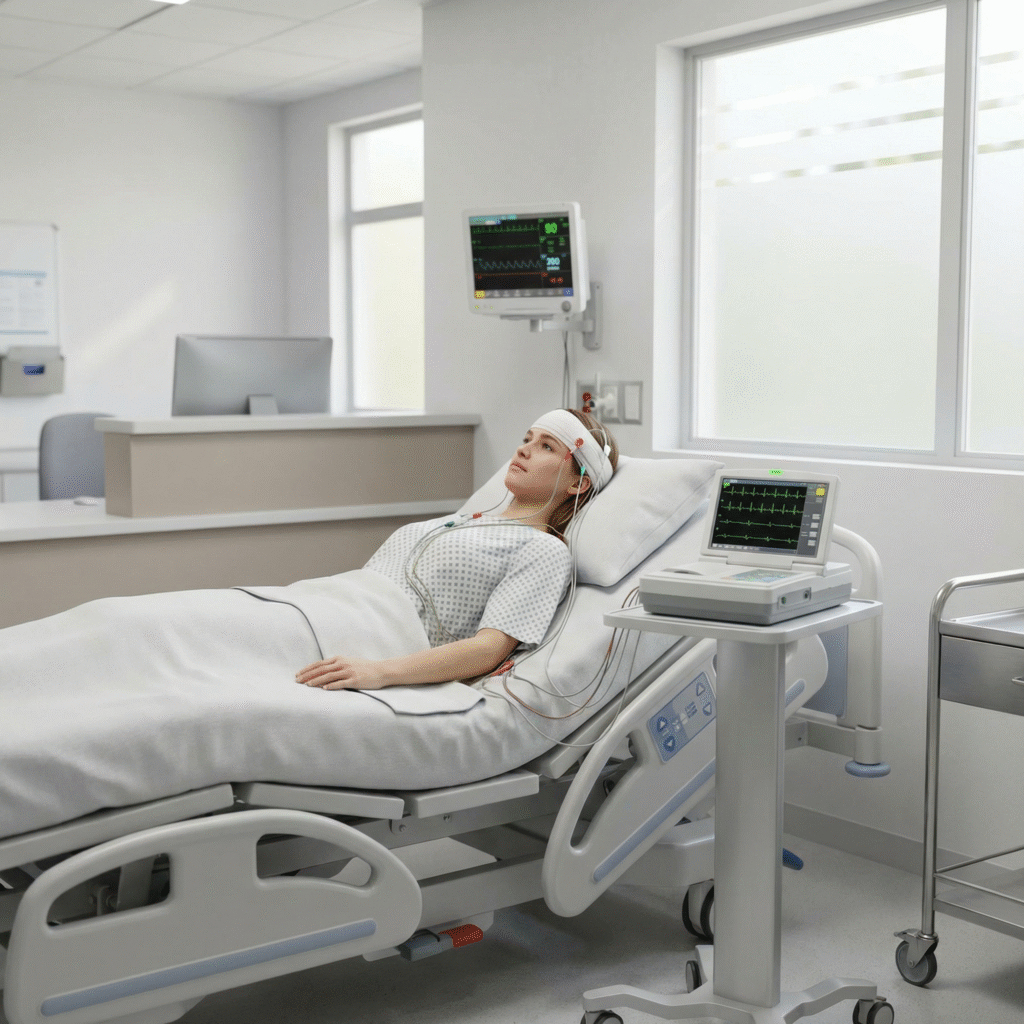
Kokilaben Hospital has multiple Centres of Excellence covering areas such as Cancer Care, Cardiac Sciences, Neurosciences, Children’s Health, Children’s Heart Care, Critical Care, Transplantation, Bone & Joint Care, Robotic Surgery, Accident & Emergency and Rehabilitation.
For families looking for advanced treatment for children, the hospital has a dedicated Centre for Children as well as a specialised Children’s Heart Centre. Its paediatric services cover general paediatrics, paediatric surgery, paediatric oncology, paediatric cardiology, neonatology, PICU, NICU and several other child-health specialties.
Kokilaben Dhirubhai Ambani Hospital Mumbai – Quick Overview
Information Details Hospital Name Kokilaben Dhirubhai Ambani Hospital and Medical Research Institute Short Name KDAH / Kokilaben Hospital Location Andheri West, Mumbai, Maharashtra Hospital Type Tertiary & Multi-Specialty Hospital Total Beds 750 Critical Care Beds 180 Operation Theatres 22 OPD Clinics, Diagnostics & Day Care 140+ Emergency 24×7 Main OPD Hours Monday–Friday: 8:00 AM–8:00 PM; Saturday: 8:00 AM–6:00 PM Sunday OPD Check individual doctor/department schedule Appointment Number +91-22-4269-6969 Emergency Number +91-22-4269-9999
The hospital’s official fact sheet lists 750 beds, 180 critical-care beds, 22 operating theatres and more than 140 OPD clinics, diagnostics and day-care services.
Location of Kokilaben Hospital Mumbai
Kokilaben Dhirubhai Ambani Hospital is located at:
Rao Saheb Achutrao Patwardhan Marg, Four Bungalows, Andheri West, Mumbai, Maharashtra – 400053.
The hospital is situated in the Andheri West area and is accessible from different parts of Mumbai.
OPD Timing at Kokilaben Hospital Mumbai
According to the hospital’s official OPD information, the outpatient department operates during the following hours:
- Monday to Friday: 8:00 AM to 8:00 PM
- Saturday: 8:00 AM to 6:00 PM
- Sunday: Doctor/department-specific schedule
It is important to understand that these are general OPD operating hours. A particular doctor’s consultation availability can be different.
Patients travelling from another city should confirm the doctor’s appointment before visiting.
Appointment and Contact Details
For appointments and general assistance, the hospital lists:
Appointment / General Contact: +91-22-4269-6969
Emergency: +91-22-4269-9999
The hospital also provides online appointment and consultation facilities.
Centre for Children at Kokilaben Hospital
Kokilaben Hospital has a dedicated Centre for Children designed specifically to provide medical and surgical care for newborns, infants, children and adolescents.
The hospital describes its paediatric service as a multidisciplinary programme involving paediatricians, neonatologists, surgeons and other child-health specialists.
The Centre for Children treats a wide range of conditions, from common childhood infections and fever to complex congenital, neurological, surgical, cardiac and cancer-related conditions.
Major Paediatric Services
The children’s centre provides or supports treatment in areas including:
- General Paediatrics
- Paediatric Infectious Diseases
- Neonatology
- Paediatric Surgery
- Paediatric Oncology
- Paediatric Cardiology
- Paediatric Neurology
- Paediatric Orthopaedics
- Paediatric Endocrinology
- Paediatric Gastroenterology
- Paediatric Nephrology
- Paediatric Pulmonology
- Paediatric Urology
- Developmental Disorders
- Child and Adolescent Care
- Paediatric Intensive Care
- Neonatal Intensive Care
Availability of a particular specialist can depend on the current doctor schedule.
Paediatric Intensive Care Unit – PICU
Kokilaben Hospital has a dedicated Paediatric Intensive Care Unit (PICU) for critically ill children.
The hospital describes its PICU as a quaternary-level critical-care service with a 10-bed unit. It is staffed by paediatric intensivists and paediatric critical-care nurses, with access to specialists from different paediatric and surgical disciplines.
The PICU can support children requiring advanced intensive care for conditions such as:
- Severe respiratory illness
- Serious infections
- Neurological emergencies
- Major trauma
- Post-operative critical care
- Complex cardiac conditions
- Severe metabolic conditions
- Other life-threatening illnesses
The facility lists advanced equipment including conventional and high-frequency ventilation, paediatric dialysis, ECMO support and advanced monitoring systems.
NICU and Newborn Care
Newborn babies sometimes require specialized intensive care immediately after birth.
Kokilaben Hospital provides Neonatal Intensive Care Unit (NICU) services as part of its children’s and children’s heart-care programmes.
Neonatal care may be required for:
- Premature babies
- Low-birth-weight babies
- Newborn breathing problems
- Neonatal infections
- Complications after delivery
- Congenital conditions
- Babies requiring surgery
- Other serious neonatal conditions
The hospital also lists a Neonatal Transport Incubator for transferring critically ill babies.
Paediatric Cardiology and Children’s Heart Centre
Kokilaben Hospital has a dedicated Children’s Heart Centre for children with congenital and other heart conditions.
Paediatric cardiology can be important for children with:
- Congenital heart defects
- Heart murmurs
- Abnormal echocardiography
- Cyanosis
- Poor weight gain
- Breathing difficulties
- Heart rhythm problems
- Other suspected cardiac abnormalities
The Children’s Heart Centre includes paediatric cardiology, congenital heart surgery, PICU, NICU and other advanced cardiac services.
Paediatric and Congenital Heart Surgery
Children born with structural heart abnormalities may sometimes require cardiac surgery.
Kokilaben Hospital has a dedicated division for Paediatric and Congenital Heart Surgery with specialist paediatric cardiac surgeons.
The hospital states that its paediatric cardiac surgeons are dedicated to the hospital and provide round-the-clock availability for patients requiring their services.
Treatment options depend on the specific congenital heart condition and may include medication, catheter-based procedures or surgery.
Paediatric Surgery
Paediatric surgery is another important specialty at Kokilaben Hospital.
The hospital provides surgical treatment for congenital abnormalities and other conditions affecting children.
Its paediatric surgery department also focuses on minimal-access surgery, including laparoscopic and robotic procedures for selected cases.
Conditions that may require Paediatric Surgery
Examples include:
- Congenital abnormalities
- Gastrointestinal disorders
- Certain liver and biliary conditions
- Pancreatic disorders
- Hernias
- Hypospadias
- Selected urinary problems
- Certain chest conditions
- Surgical emergencies
- Other conditions requiring specialist paediatric surgery
The appropriate surgical method depends on the child’s age, diagnosis, anatomy and overall health.
Paediatric Robotic Surgery
Kokilaben Hospital has highlighted robotic and minimally invasive surgery as part of its paediatric surgical programme.
The hospital states that selected liver, biliary and pancreatic surgeries in children can be performed using laparoscopic or robotic techniques. It also describes itself as a centre for paediatric robotic surgery in Western India.
Robotic surgery is not automatically suitable for every child. The treating surgeon determines whether open, laparoscopic or robotic surgery is appropriate.
Paediatric Oncology
Kokilaben Hospital provides specialized services for children diagnosed with cancer and serious blood disorders.
Its paediatric oncology programme includes advanced diagnostic evaluation and treatments such as chemotherapy and targeted therapies where medically appropriate.
The hospital’s wider cancer centre also provides medical oncology, surgical oncology and radiation oncology services.
For childhood cancer, treatment may involve a multidisciplinary team including:
- Paediatric oncologists
- Paediatric surgeons
- Radiation specialists
- Pathologists
- Radiologists
- Critical-care specialists
- Nutrition and rehabilitation teams
Cancer Treatment at Kokilaben Hospital
Cancer care is one of the hospital’s major areas of specialization.
The Medical Oncology department provides chemotherapy and targeted therapy through both inpatient and outpatient facilities. The hospital lists a 30-bed chemotherapy day-care unit with specialist chemotherapy nurses and supportive-care facilities.
Cancer services may include:
- Cancer diagnosis
- Medical oncology
- Surgical oncology
- Radiation oncology
- Chemotherapy
- Targeted therapy
- Precision oncology
- Paediatric oncology
- Supportive care
- Cancer rehabilitation
The treatment plan depends on the cancer type, stage, patient’s overall condition and medical assessment.
Cardiology and Cardiac Sciences
Kokilaben Hospital has a dedicated Centre for Cardiac Sciences.
Cardiac services cover the diagnosis and management of various heart conditions. Patients may receive medical, interventional or surgical treatment depending on their condition.
The hospital also has specialized children’s cardiac services for congenital heart disease.
Neurosciences
The hospital provides neurological and neurosurgical services for disorders affecting the brain, spinal cord and peripheral nervous system.
Patients may be evaluated for conditions such as:
- Stroke
- Epilepsy
- Brain tumours
- Movement disorders
- Neurological infections
- Spine disorders
- Nerve conditions
- Other neurological diseases
Kokilaben Hospital also highlights advanced stroke-care and neuro-rehabilitation technologies among its facilities.
Bone and Joint Care
The hospital provides orthopaedic services for adults and children.
Treatment may include:
- Fracture care
- Joint replacement
- Sports injuries
- Spine treatment
- Paediatric orthopaedics
- Cerebral palsy-related orthopaedic treatment
- Rehabilitation
Its paediatric orthopaedic service includes a dedicated child-friendly outpatient unit and an exclusive paediatric ward.
Transplant Services
Kokilaben Hospital has a dedicated Centre for Transplant.
Transplant services can involve highly specialized evaluation and treatment for selected patients requiring organ transplantation.
Depending on the programme and medical indication, transplant-related services can include kidney, liver, heart, lung and bone-marrow transplantation.
Patients requiring transplantation undergo detailed evaluation before a procedure is planned.
Critical Care Facilities
Critical care is an important part of a tertiary-care hospital.
Kokilaben Hospital’s official fact sheet lists 180 critical-care beds. The hospital also operates specialized intensive-care services, including adult critical care and paediatric intensive care.
Critical care can be required for patients with severe infections, major trauma, serious respiratory problems, complex surgery or other life-threatening conditions.
24×7 Accident and Emergency Centre
Kokilaben Hospital has a Level-1 Accident & Emergency Centre operating around the clock.
The hospital describes its Accident & Emergency department as an 18-bed unit designed for initial evaluation, resuscitation, treatment, investigation, stabilization and monitoring of patients with acute emergencies.
Emergency care may be required for:
- Serious accidents
- Severe injuries
- Chest pain
- Breathing difficulty
- Stroke symptoms
- Severe bleeding
- Loss of consciousness
- Serious allergic reactions
- Critical illness
- Paediatric emergencies
For an emergency, patients should seek immediate medical attention instead of waiting for a routine OPD appointment.
Advanced Technology and Infrastructure
Kokilaben Hospital has a large medical infrastructure designed to support complex treatment.
Its official information lists technologies and facilities including:
- 3 Tesla MRI
- PET-CT
- Advanced CT imaging
- Robotic surgery
- Advanced radiation oncology systems
- Image-guided procedures
- Advanced rehabilitation technology
- ECMO
- Advanced paediatric intensive care
- High-frequency ventilation
- Molecular and genetic laboratory testing
The hospital’s technology page also lists advanced equipment for oncology, cardiology, neurosciences, rehabilitation and other specialties.
Diagnostic Services
Kokilaben Hospital provides a wide range of diagnostic services to support specialist treatment.
Depending on the patient’s condition, investigations may include:
- Blood tests
- Pathology
- Microbiology
- Genetic testing
- MRI
- CT scan
- PET-CT
- X-ray
- Ultrasound
- Echocardiography
- ECG
- Other specialized investigations
The hospital states that its laboratory provides more than 3,000 routine and advanced diagnostic, genetic and molecular tests.
Patient Rooms and Accommodation
Kokilaben Hospital provides different categories of patient accommodation, including:
- Suites
- Single rooms
- Twin rooms
- General wards
- Isolation rooms
The hospital also lists 40 isolation beds and provides facilities for relatives of patients.
For families travelling from outside Mumbai, patient-relative accommodation is available within the hospital premises subject to availability and applicable charges.
How to Book an Appointment
Patients can book an appointment with a specialist through the hospital’s appointment system.
The hospital lists the following contact number:
+91-22-4269-6969
Before booking an appointment, patients should identify the appropriate department or specialist.
For example:
- Child’s general illness → Paediatrics
- Child’s heart problem → Paediatric Cardiology
- Newborn problem → Neonatology
- Child requiring surgery → Paediatric Surgery
- Childhood cancer → Paediatric Oncology
- Brain/nerve problem → Neurology
- Heart disease in adults → Cardiology
- Cancer in adults → Oncology
- Bone/joint problem → Orthopaedics
Documents to Carry for an OPD Visit
Patients should carry previous medical records whenever possible.
Important documents may include:
- Previous prescriptions
- Blood test reports
- CT/MRI reports
- X-ray reports
- Biopsy reports
- Previous discharge summaries
- Current medicine list
- Previous operation records
- Insurance documents
For children, parents should also carry vaccination records and previous paediatric reports when available.
Insurance and Cashless Treatment
Patients planning treatment through health insurance should confirm the latest cashless and pre-authorisation requirements with the hospital and insurer.
Before admission, it is useful to clarify:
- Insurance coverage
- Room eligibility
- Pre-authorisation requirements
- Deductibles or co-payments
- Non-covered expenses
- Implant coverage
- Expected out-of-pocket expenses
Insurance coverage depends on the individual policy and treatment.
Why Consider Kokilaben Hospital for Children’s Treatment?
Kokilaben Hospital can be considered by families looking for a hospital with multiple paediatric specialties and advanced critical-care facilities under one healthcare system.
Its children’s services include:
- Dedicated Centre for Children
- Paediatric specialists
- Paediatric surgery
- Paediatric oncology
- Paediatric cardiology
- Children’s heart surgery
- NICU
- PICU
- Paediatric intensive care
- Paediatric orthopaedics
- Developmental services
- Advanced diagnostic facilities
The hospital emphasizes multidisciplinary care for children with complex medical and surgical conditions.
Frequently Asked Questions
Is Kokilaben Hospital good for children’s treatment?
Kokilaben Hospital has a dedicated Centre for Children with paediatricians, neonatologists, paediatric surgeons and other child-health specialists. It also provides NICU, PICU, paediatric cardiology, paediatric oncology and other specialized services.
Does Kokilaben Hospital have a NICU?
Yes. The hospital provides neonatal intensive-care services for newborns who require specialized monitoring and treatment.
Does Kokilaben Hospital have a PICU?
Yes. Its Paediatric Intensive Care Unit is a dedicated critical-care service for seriously ill children and provides advanced monitoring, ventilation, dialysis and other critical-care support.
Does Kokilaben Hospital provide paediatric heart surgery?
Yes. The hospital has a dedicated Children’s Heart Centre with paediatric cardiology and paediatric/congenital heart surgery services.
Does Kokilaben Hospital provide paediatric cancer treatment?
Yes. The hospital provides paediatric oncology services, including specialized cancer evaluation and treatment.
What are the OPD timings at Kokilaben Hospital Mumbai?
The general OPD is listed as 8:00 AM to 8:00 PM Monday to Friday and 8:00 AM to 6:00 PM on Saturday. Individual doctors can have different consultation schedules, so patients should confirm their appointment before visiting.
Is Kokilaben Hospital’s emergency department open 24 hours?
Yes. The hospital operates a 24-hour Accident & Emergency service.
What is the Kokilaben Hospital appointment number?
The hospital lists +91-22-4269-6969 for appointments and general assistance.
Where is Kokilaben Dhirubhai Ambani Hospital located?
The hospital is located at Rao Saheb Achutrao Patwardhan Marg, Four Bungalows, Andheri West, Mumbai, Maharashtra – 400053.
Conclusion
Kokilaben Dhirubhai Ambani Hospital is a major tertiary-care and multi-specialty hospital in Mumbai offering a wide range of medical, surgical and critical-care services.
For children, the hospital provides a dedicated Centre for Children along with specialized services such as paediatric cardiology, congenital heart surgery, paediatric surgery, paediatric oncology, NICU, PICU, paediatric orthopaedics and developmental care.
Its combination of specialist departments, advanced diagnostic technology, critical-care infrastructure and multidisciplinary treatment makes it an option for patients with both routine and complex medical conditions.
However, the choice of hospital and doctor should always depend on the patient’s specific diagnosis, urgency, required treatment, insurance coverage and medical advice. OPD schedules, doctor availability and hospital charges can change, so patients should confirm the latest information before visiting.
Disclaimer: This article is intended for general informational purposes only. It does not replace professional medical advice. Hospital services, doctors, OPD schedules, facilities and charges may change. Please verify the latest information directly with Kokilaben Dhirubhai Ambani Hospital before making healthcare or treatment decisions.