
Introduction to Bhatia Hospital
Bhatia Hospital, established in 1941, stands as a testament to quality healthcare and community service in Mumbai. Founded by the visionary Dr. M. H. Bhatia, the hospital began its journey with a firm commitment to providing accessible medical care to the residents of the bustling city. Dr. Bhatia’s dedication to serving the community led to the creation of a facility that not only focused on patient care but also aimed at the overall well-being of society.
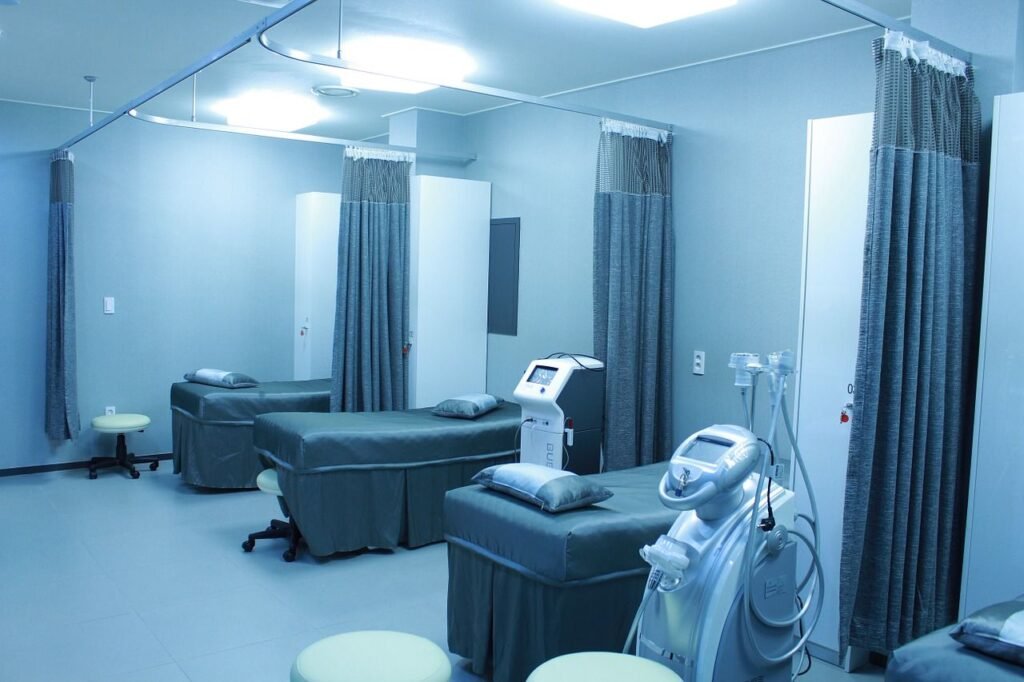
From its inception, Bhatia Hospital has operated on the core values of compassion, integrity, and excellence. These founding principles have guided the hospital’s growth and development, shaping its identity as a premier healthcare institution. Over the years, Bhatia Hospital has expanded its services, introducing advanced medical technologies and specialized treatment options, while ensuring that quality care remains at the forefront.
The hospital’s mission is to provide high-quality healthcare services that meet international standards. This mission is reflected in every aspect of its operations, from the highly trained medical professionals to the state-of-the-art facilities available. Bhatia Hospital not only equips its staff with the latest medical knowledge but also emphasizes ongoing education and training, ensuring that they remain at the cutting edge of medicine.
Furthermore, Bhatia Hospital actively engages with the community it serves through various outreach programs and initiatives aimed at promoting health awareness. By focusing on preventive care and education, the hospital cultivates a healthier community. Through its compassionate approach, Bhatia Hospital continues to fulfill its vision of providing comprehensive, patient-centered care, making it a trusted name in Indian healthcare.
Owner and Management of Bhatia Hospital
Bhatia Hospital, established in the heart of Mumbai, operates under the ownership and leadership of the Bhatia family, who have been instrumental in its development and growth since its inception. The hospital has evolved over the years, enhancing its services and expanding its facilities to better meet the healthcare needs of the community. The Bhatia family’s commitment to providing high-quality medical care remains central to the hospital’s operations.
At the helm of Bhatia Hospital is a dedicated management team comprised of experienced healthcare professionals and administrative personnel who work collaboratively to uphold the institution’s reputation for excellence. The management’s collective expertise ensures that the hospital adheres to best practices in patient care while remaining compliant with healthcare regulations.
The leadership at Bhatia Hospital is not only focused on the day-to-day operations but also emphasizes long-term strategic planning. This approach includes investing in state-of-the-art medical technology, enhancing staff training programs, and improving patient safety protocols. By fostering a culture of continuous improvement, the management team aims to ensure that patients receive the highest standard of medical attention.
Moreover, the hospital’s management endeavors to maintain effective communication channels between staff and administration, which is crucial for addressing challenges and implementing innovative solutions in patient care. Regular team meetings and feedback sessions are indicative of a leadership style that prioritizes collaboration and inclusivity.
Overall, the ownership and management of Bhatia Hospital significantly impact its operational efficiency and quality of care. Their unwavering commitment to healthcare excellence positions the hospital as a trusted medical facility within Mumbai, ensuring that it meets the diverse healthcare needs of the population.
Success Story of Bhatia Hospital
Bhatia Hospital, established in 1940, has emerged as a prominent healthcare institution in Mumbai, renowned for its commitment to excellence in medical services. The journey of Bhatia Hospital is marked by significant milestones that reflect its evolution and growth within the healthcare sector. Initially founded by Dr. J. M. Bhatia, the hospital started as a small medical facility, but through dedication and innovation, it expanded its services to accommodate a larger population.
One of the pivotal moments in the history of Bhatia Hospital was the introduction of advanced healthcare technologies and practices. In the 1990s, the hospital invested in modern equipment and infrastructure upgrades, enabling it to offer a broader range of specialized medical services. This strategic enhancement not only improved patient outcomes but also established the hospital as a leader in medical care in Mumbai.
Throughout the years, Bhatia Hospital has garnered numerous awards and recognitions for its high standard of medical care. Its efforts have been acknowledged by various healthcare organizations, cementing its reputation as a reliable institution. The hospital has been actively involved in community programs, promoting health awareness and preventive care, which demonstrates its dedication to public health.
Furthermore, the hospital’s staff includes experienced doctors and nurses who are committed to providing compassionate, patient-centered care. This emphasis on quality healthcare has transformed Bhatia Hospital into a trusted name in the medical community. As it continues to grow and adapt to the changing landscape of healthcare, Bhatia Hospital remains at the forefront, striving to improve the quality of life for its patients.
Treatment Fees at Bhatia Hospital
Bhatia Hospital in Mumbai is known for its commitment to providing high-quality healthcare services to its patients. One crucial aspect that patients consider when choosing a healthcare facility is the treatment fees associated with various services. Understanding the costs involved can help patients make informed decisions about their healthcare needs.
The treatment fees at Bhatia Hospital vary depending on the specific services offered. For instance, general consultations are priced competitively, typically ranging from INR 500 to INR 1,000. Specialized consultations can cost more, particularly for fields such as cardiology or orthopedics. In addition to consultations, various diagnostic tests such as blood tests, X-rays, and MRI scans are also available, with fees dependent on the complexity of the tests. Average costs for routine tests may range from INR 300 to INR 5,000.
For surgical procedures, the fees can vary significantly based on the type of surgery and the duration of the hospital stay. On average, minor surgeries may cost around INR 20,000, while more complex operations could range from INR 50,000 to INR 1,50,000 or more. Bhatia Hospital also offers various packages for inpatient procedures that may include pre-operative assessments and post-operative care, which can provide additional savings for patients.
Insurance coverage is another important aspect to consider when discussing treatment fees at Bhatia Hospital. The hospital is recognized by several insurance providers, allowing patients to utilize their insurance plans for a portion of their treatment expenses. It is advisable for patients to check with their insurance companies regarding coverage details and any pre-authorization requirements before proceeding with treatments.
Types of Treatments Available at Bhatia Hospital
Bhatia Hospital, located in Mumbai, is known for its comprehensive range of medical services that cater to various health needs. The hospital is equipped with advanced medical technology and a team of experienced professionals, ensuring patients receive high-quality care across multiple disciplines. This section outlines the key types of treatments and services available to the public.
One of the primary features of Bhatia Hospital is its emergency care unit, which operates 24/7. The emergency department is staffed by skilled healthcare providers equipped to manage a broad spectrum of medical emergencies, from trauma cases to critical conditions requiring immediate intervention. This facility is pivotal in ensuring timely and effective responses to urgent health issues.
The hospital also offers a variety of surgical services, ranging from routine procedures to complex surgeries. The surgical departments include specialties such as orthopedics, cardiology, gastroenterology, and gynecology, all provided by qualified surgeons who prioritize patient safety and postoperative care. These surgical interventions are complemented by state-of-the-art operating rooms and the latest anesthetic techniques to enhance recovery.
In addition to surgical treatments, Bhatia Hospital provides extensive outpatient services. Patients can benefit from consultations with specialists in various fields, diagnostic imaging, physiotherapy, and other essential health services designed to promote preventive care and early detection of health issues. Regular health check-ups and screenings are also part of the outpatient offerings.
The facility is notable for its specialized treatments, which encompass advanced procedures such as dialysis, chemotherapy for cancer patients, and orthopedic rehabilitation programs. These specialized services are crucial for addressing specific health conditions, providing patients with tailored care solutions.
Overall, Bhatia Hospital’s diverse treatment options establish it as a significant healthcare provider in Mumbai, ensuring that patients receive comprehensive medical attention tailored to their unique health needs.
Bhatia Hospital in Mumbai has established strong partnerships with various Third-Party Administrators (TPAs), enhancing the experience of insured patients seeking medical services. These TPAs manage health insurance claims on behalf of insurance companies, facilitating smoother transactions between the hospital and insurers. Understanding these partnerships is crucial for patients looking to maximize the benefits of their health insurance coverage.
There is a diverse range of TPAs accepted at Bhatia Hospital, enabling a broad spectrum of patients to access healthcare services with minimal financial strain. Some of the prominent TPAs include Star Health, Max Bupa, HDFC Ergo, and Reliance General, among others. Each TPA has unique protocols for processing claims and approvals, which can influence the speed and effectiveness of access to medical treatments.
The primary role of a TPA is to act as an intermediary between the patient, the hospital, and the insurance provider. When patients with insurance seek treatment at Bhatia Hospital, they often need to inform the hospital staff about their insurance provider and TPA during the admission process. The hospital’s billing department then coordinates with the TPA to ensure that necessary pre-authorizations are obtained, resulting in a streamlined admission procedure.
This partnership model significantly eases the claims process for insured individuals, as TPAs often handle paperwork, ensuring timely settlement of bills. Furthermore, it allows patients to focus on their recovery rather than navigating complex claim processes. With a well-structured approach to patient care and robust TPA partnerships, Bhatia Hospital aims to reduce the financial burden on patients, making quality healthcare more accessible to the community.
Employee Behavior and Patient Experience
The quality of care at Bhatia Hospital, Mumbai, is significantly influenced by the behavior and attitude of its staff and employees. The first impression a patient receives often stems from their interactions with staff members at the reception, nurses, and doctors. Patient experience is largely shaped by how effectively and empathetically these individuals communicate and address patient needs.
The hospital places a strong emphasis on training its employees in customer service and professionalism. This commitment is reflected in various patient feedback mechanisms, which consistently show satisfaction with the treatment received. Patients frequently highlight the friendliness and attentiveness of the nursing staff, who play a crucial role in ensuring a comfortable environment during their stay. The medical professionals at Bhatia Hospital are well-regarded for their expertise, but what sets this institution apart is the holistic approach to care, integrating empathy into their practice.
Moreover, Bhatia Hospital encourages open communication between staff and patients. Surveys and feedback forms are regularly circulated to gather insights on patient experiences and expectations. This proactive step not only enhances the overall customer service experience but also fosters a culture of accountability and continuous improvement among employees. By analyzing patient responses, the hospital can implement targeted strategies to further enhance the professionalism and customer service skills of its staff.
The overall patient experience at Bhatia Hospital is a reflection of the dedication of its employees. Continuous training and a patient-centered approach create an environment conducive to healing and recovery. These elements combined create a nurturing atmosphere where patients feel valued and respected, ultimately improving their health outcomes.
Location and Accessibility of Bhatia Hospital
Bhatia Hospital, a prominent healthcare institution in Mumbai, is strategically situated in the bustling neighborhood of Tilak Nagar, which provides easy access for both local residents and visitors from other parts of the city. Its geographical location is advantageous, located near key landmarks and well-known routes, thereby ensuring that potential patients can easily navigate to the facility.
Accessibility is further enhanced by the availability of diverse public transport options. The hospital is well-connected by the Mumbai suburban railway, with the nearest railway station just a short distance away. Additionally, numerous bus routes operate in the vicinity, making it simple for individuals who rely on public transport to reach their destination without hassle.
For those opting to drive, Bhatia Hospital offers ample parking facilities. There is a designated parking area that accommodates both two-wheelers and four-wheelers, which alleviates concerns regarding vehicle safety and accessibility during visits. The convenience of parking is an important consideration for patients and their families, particularly in a city as densely populated as Mumbai.
The surrounding neighborhoods contribute to the overall accessibility of Bhatia Hospital. With residential areas nearby and a plethora of commercial establishments, individuals can easily find accommodations, dining options, and other amenities close to the hospital. This makes it an ideal location not only for emergency situations but also for planned consultations and treatments.
In summary, Bhatia Hospital’s strategic location, combined with excellent public transport links and parking options, ensures that it is accessible to a broad spectrum of patients seeking healthcare services in Mumbai. This accessibility factor plays a significant role in the hospital’s commitment to delivering quality healthcare efficiently and effectively.
Conclusion and Final Thoughts
In reviewing the diverse array of services and initiatives offered by Bhatia Hospital, it is evident that this institution plays a pivotal role in the healthcare ecosystem of Mumbai. Recognized for its unwavering commitment to patient care, advanced medical technology, and community outreach, Bhatia Hospital stands as a beacon of health and wellness. Throughout this overview, we have explored the hospital’s extensive medical offerings, including specialized departments, emergency care, and state-of-the-art facilities that cater to various health needs.
Moreover, Bhatia Hospital’s dedication to continuous improvement and innovation is reflected in its investment in new medical practices and its commitment to staff training. Such initiatives not only enhance the quality of care provided but also foster a culture of excellence that benefits both patients and healthcare professionals alike.
Furthermore, the hospital’s proactive engagement with the community—through health camps, awareness programs, and free consultations—demonstrates its resolve to promote public health and well-being beyond its patient base. This commitment is particularly significant in addressing the wide-ranging healthcare challenges faced by the population of Mumbai.
In summation, Bhatia Hospital is not merely a healthcare institution but a vital component of Mumbai’s health landscape. Its comprehensive approach to healthcare, combined with a focus on community engagement and technological advancement, ensures that it remains a trusted partner in the health journeys of its patients. As the hospital continues to evolve and adapt to the changing needs of the community, it will undoubtedly maintain its position as a leader in the provision of quality healthcare services in the region.